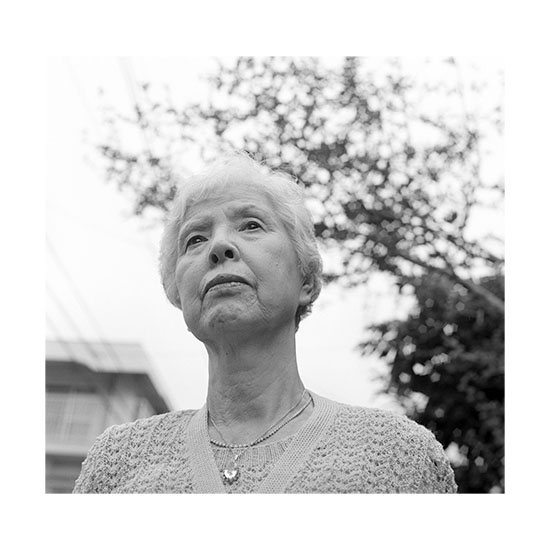
..March 2019.. ..Nagasaki..
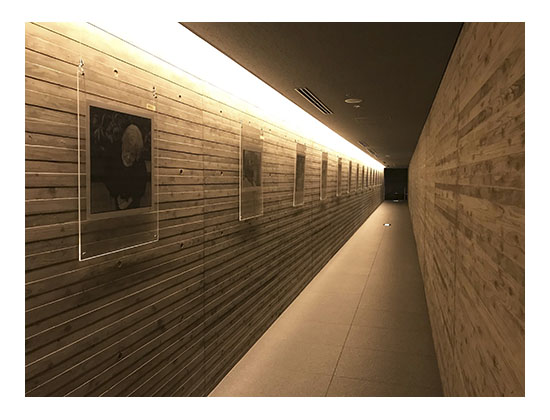
The Nagasaki National Peace Memorial Hall for Atomic Bomb Victims will
be permanently exhibiting 15 portraits that I took of Nagasaki atomic
bomb survivors.
These are part of the From Above project which features portraits of atomic bomb survivors and WWII firebombing survivors.
I’m very proud these portraits will be displayed permanently at Nagasaki Peace Memorial Hall for all the visitors to see. The Peace Memorial Hall is attached to the Nagasaki Atomic Bomb Museum.
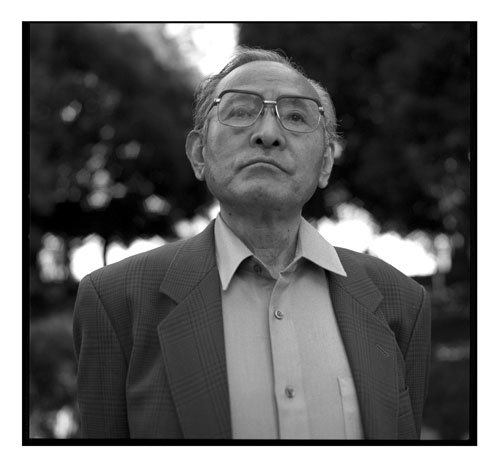
Mr. Matashichi Oishi is a former crew member of the Daigo Fukuryu-Maru (Lucky Dragon 5), tuna fishing boat. He turned 20 years old on the second day of the journey from Yaizu harbor to Marshall Islands. Due to the postwar food shortages, they had to sail farther distances to catch fish. The boat trip from central Japan to the Marshall Islands took over 2 weeks, one way.
There were 23 crew members on the wooden boat. Average age was 25 years old. In the early morning of March 1st, 1954, the boat was exposed to radiation by a hydrogen bomb nuclear test at the Bikini Atoll. It was an unannounced secret test. They were fishing 160km away from the hypocenter.
The bomb was 1,000 times more powerful than the atomic bomb detonated in Hiroshima. It contained 270 different kinds of radioactive materials.
Mr. Oishi saw a strong flash of light. An orange color soaked the sky. After 7 minutes they heard horrific rumbling. Strangely, the sea surface stayed calm. Frightened, they decided to return home.
They had to raise the fishing nets and long fishing lines from the deep water. This took hours to complete. Soon after “ashes of death”(nuclear fallout) started falling, covering the boat like snow. They had no idea what it was, some licked the flakes. The flakes of ash didn’t melt, felt like sand and burned their skin.
They removed the fishing nets and long fishing lines while the radioactive ashes fell. It took 5 hours to get the equipment to the surface so they could begin their voyage home.
After a 2 week journey, they arrived at Yaizu harbor. All of them already began to suffer from acute radiation diseases such as dizziness, loss of appetite, gum bleeding, diarrhea, vomiting, and hair loss. But they still didn’t know what they were exposed to.
A newspaper released the news about the nuclear test. It caused a panic in Japan. “Poisoned fishermen brought back poisoned tuna.” Even rain contaminated with radioactivity feel over Japan and other countries in the Pacific Ocean.
The panic created an anti-nuclear movement and encouraged Hiroshima and Nagasaki atomic bomb Survivors to speak about their experiences. Nearly 10 years after the bombings in Hiroshima and Nagasaki, this was the first public discussion about nuclear weapons in Japan.
During the American Occupation after WW II, news about the atomic bombings in Hiroshima and Nagasaki was censored. The American government allowed no public discussion or newspaper articles in Japan to be written about the bombings. The official reason given, as a precaution of the Cold War they didn’t want the USSR to gain information about the affects or material used. Because of the censorship the Japanese public, outside of Hiroshima and Nagasaki, were largely unaware about the affects of radioactivity.
The Lucky Dragon 5 event was covered up in negotiations between the US and Japanese governments. The boat was painted over and dumped in a landfill in Tokyo. The ill fishermen were abandoned and outcast socially. Their lives changed completely. They didn’t have visible burn or scar but inside their bodies were radioactively contaminated. All battled various types of cancers throughout their lives. The first member of the crew died a half year later. More than half of the crew has died. All of them died from liver cancer.
Mr. Oishi has also suffered for varied aftereffects; including liver cancer and social discrimination. The company and government have claimed no responsibility for his health care bills even though he was exposed while working.
After 30 years of silence, he started to speak about his experiences. He is one of only two voices out of 23 Lucky Dragon crew members to speak. 856 boats, containing 17,000 Japanese fishermen, were present in the marine area the day of the nuclear test at Bikini Atoll. None of the others have chosen to speak or release their medical records
Mr. Oishi is photographed at the location were the Lucky Dragon 5 was found. The discarded boat was discovered in 1967. The boat has since been persevered and a museum has been built around it.
I
received the sad news that Mrs. Miyoko Matsubara passed away on
February 10th, 2018. I met her in 2010 through Koko Tanimoto-Kondo.
They were childhood friends because Koko’s father, Rev. Tanimoto, took
care of many children who were injured by the atomic bomb.
Mrs.
Matsubara was 12 years old when the atomic bomb destroyed Hiroshima.
Her story details the hard life during and after the war and the passion
she derived from living
through those years. The atomic bomb left her severely burned with
keloid scars covering most of the body. She experienced discrimination
because of her appearance. In 1953 she was selected to be part of the
Hiroshima Maidens program which made it possible for her to have
corrective and cosmetic surgeries.
After
Mrs. Matsubara dedicated her life to peace activism and helping other
victims of war cope with the aftermath. She raised her elder brother’s
three young children when he and his wife passed away.
My
memories of the afternoon I spent with Mrs. Matsubara will be that she
was always affable. Her spirit instantly brightened the room. She had
suffered a stroke a couple of years prior but made it a priority to
practice speaking English in the mirror so she didn’t lose her motor
skills. She spoke to me in perfect English.
That
afternoon was my only time with Mrs. Matsubara. I still remember all
the details vividly because she left a permanent impression. She always
had this glow about her. I feel lucky to have the opportunity to call
her my friend.
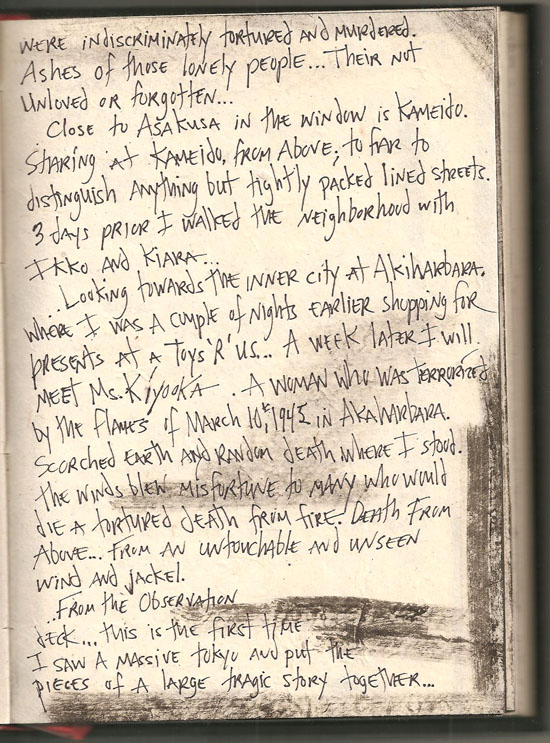
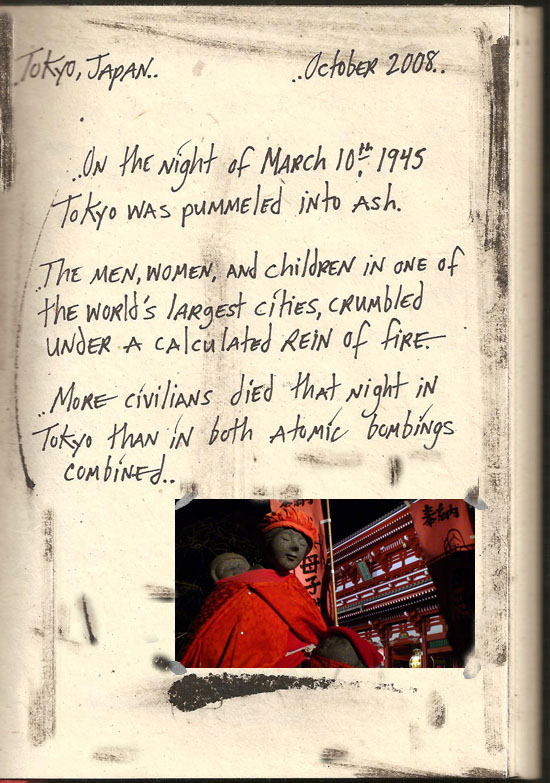
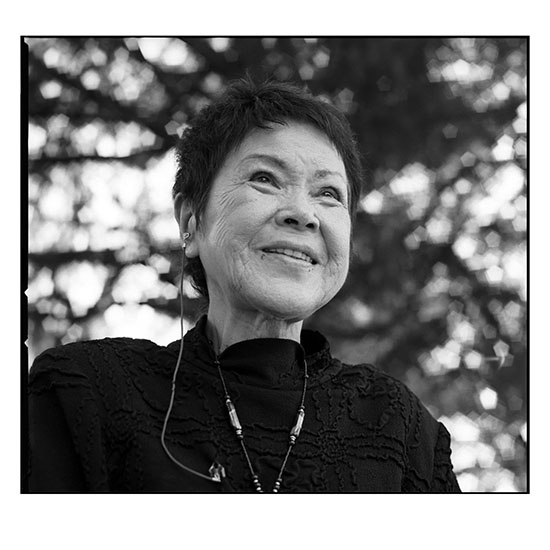
I received the sad news that Michiko Kiyooka passed away sometime during 2018. Mrs. Kiyooka was a Tokyo fire bombing survivor that I photographed in 2008. Her portrait and testimony is one of the first to be featured in the From Above project.
She was 21 years old when Tokyo was firebombed on
March 10th, 1945. She jumped into the freezing Sumida River to escape
the furious firestorm consuming everything it’s path. Hours after she
managed to pull herself to an area along
the banks that was safe. She headed towards a contained fire
underneath a bridge to get some warmth but had no idea the fire was a
pile of corpses. She lost her father and sister when they froze to
death and drown in the Sumida. Their bodies were taken out 3 days
later.
Each time I stare at the murky waters of the Sumida I can’t imagine the sorrow Mrs. Kiyooka carried all of her life.