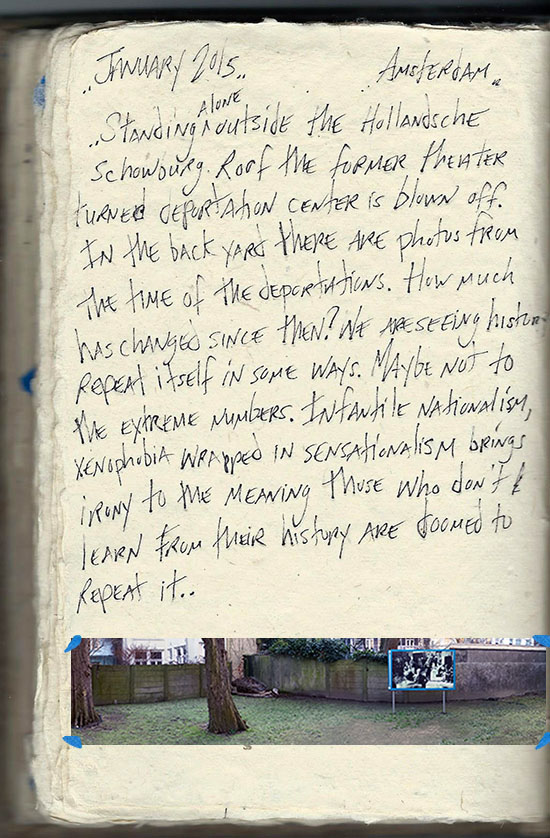
Hollandsche Schowburg
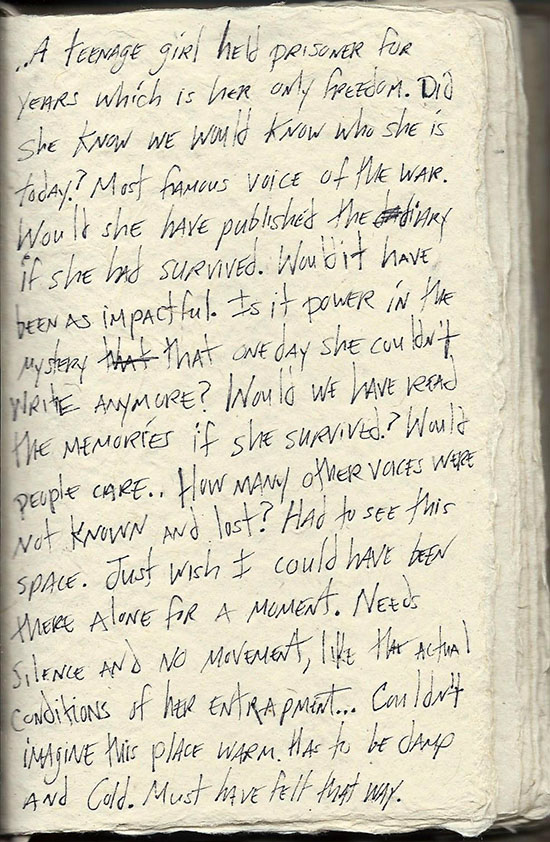
June 29th, 2016Anne Frank House, Prinsengracht, Amsterdam
June 25th, 2016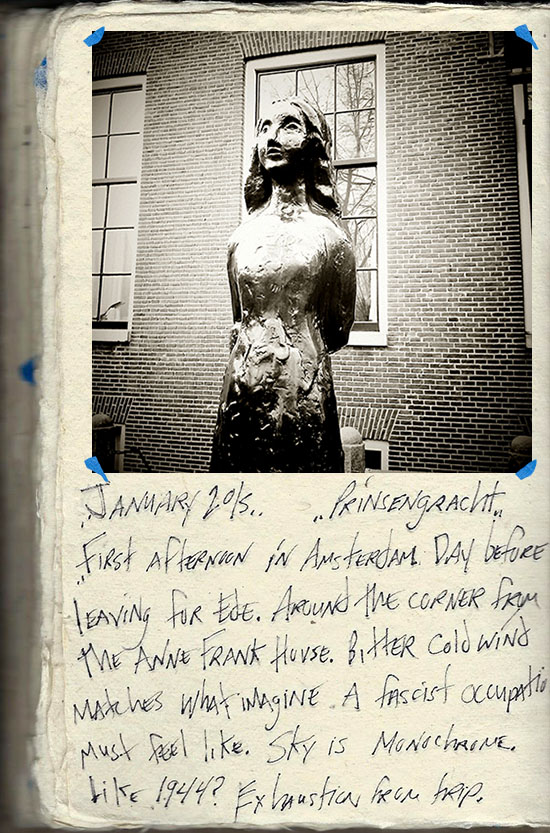
Klaus Steiniger
June 21st, 2016..June 2016.. ..Berlin..
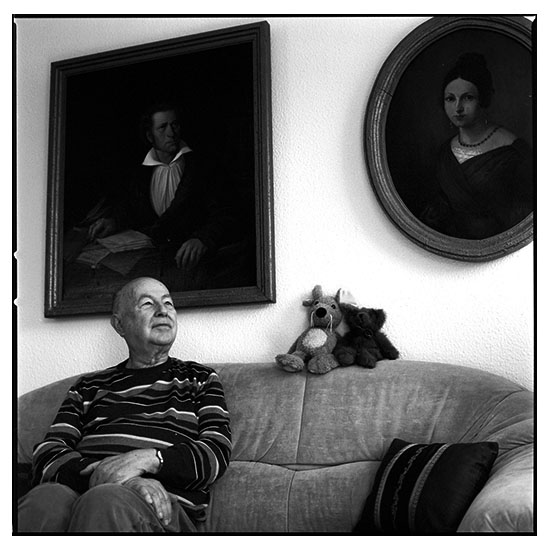
“My comprehensive view of the world has nothing to do with victory or defeat.” -Klaus Steiniger
I found out that Klaus Steiniger passed away on April 9th, 2016. Klaus was the Foreign Affairs editor for Neues Deutschland during the East German (GDR) times. I photographed him for my book about the fall of the Berlin Wall and the Wende.
He was an honorable man who always had time for me. When I first contacted him from NY in 2013, he told me to come Berlin tomorrow because he was already ill. He wrote me frequently to tell me about his experiences in the GDR. He was a passionate Socialist. What came out of his mouth politically was completely opposite to what I had learned.
I found him fascinating. I didn’t agree with the majority of his political beliefs. But I understood the argument he made and I respected it.
He was the first person to explain to me the necessity of the Berlin Wall from the perspective of the East German government. He described the wall as both the most necessary and the most ugly monument of the GDR. And he articulately explained the complex reasons why the GDR is no longer. He was proud of his beliefs. He described the GDR as a country not without mistakes or shortcomings. But only once during Germany’s existence had a situation where the exploiting social classes were expelled from power and divided from the means of production.
The terms used by Reagan to describe what was on that side of the Iron Curtain, “The bear in the woods….” and “The Evil Empire” jarred me. In the 1980’s, I grew up fearing that everyone on the eastern side of the wall was really a bear with blood dripping off their teeth. But when you get to know people for who they are, you realize we have more in common than not.
I did not see eye to eye with him on many things but he made me think. I will always be thankful for that and his friendship.
From Above interview on The John Batchelor Show on WABC Radio
June 17th, 2016..June 2016.. ..New York..
This is the link to Thursday night’s interview about From Above on The John Batchelor Show on WABC Radio. We cover some of my journey to Hiroshima and Nagasaki photographing atomic bomb survivors (hibakusha) and the upcoming exhibition at the Nagasaki Peace Memorial Hall opening in December.
A huge thank you to Mr. Batchelor for having me on the show for the third to speak about From Above. The John Batchelor show is the highest rated radio show in New York at the 9pm time slot. Honored again to be asked back to the show!
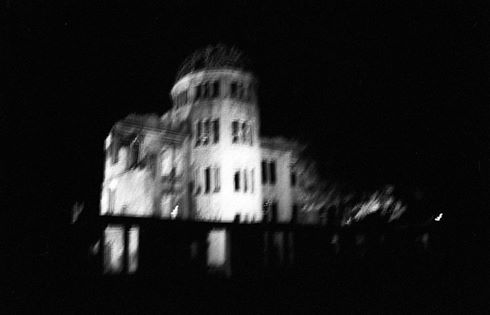
Fragile
June 15th, 2016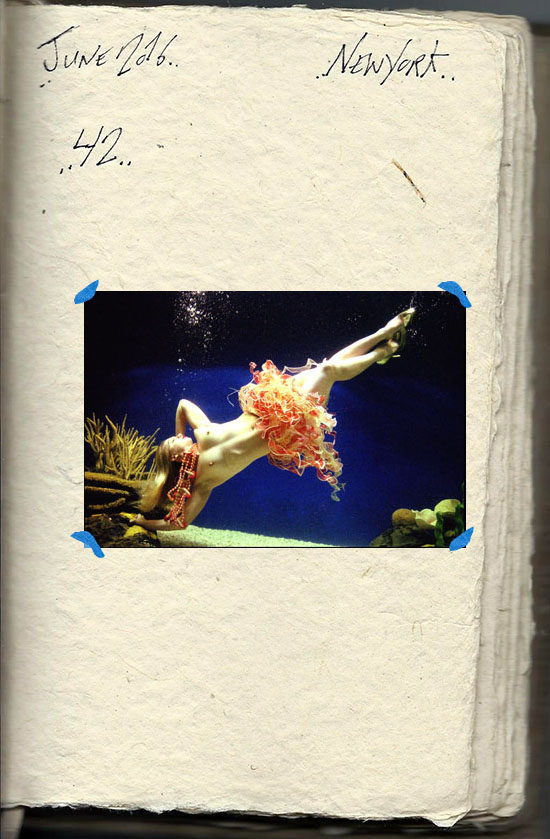
Children of Lidice
June 10th, 2016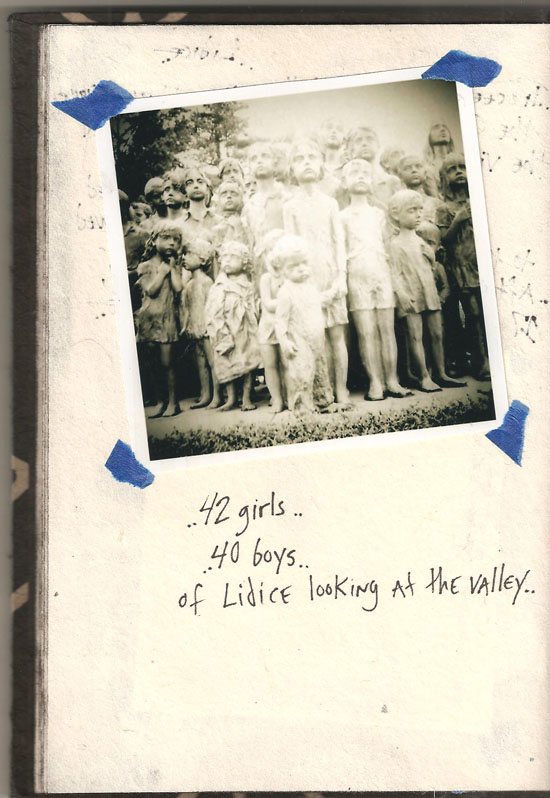
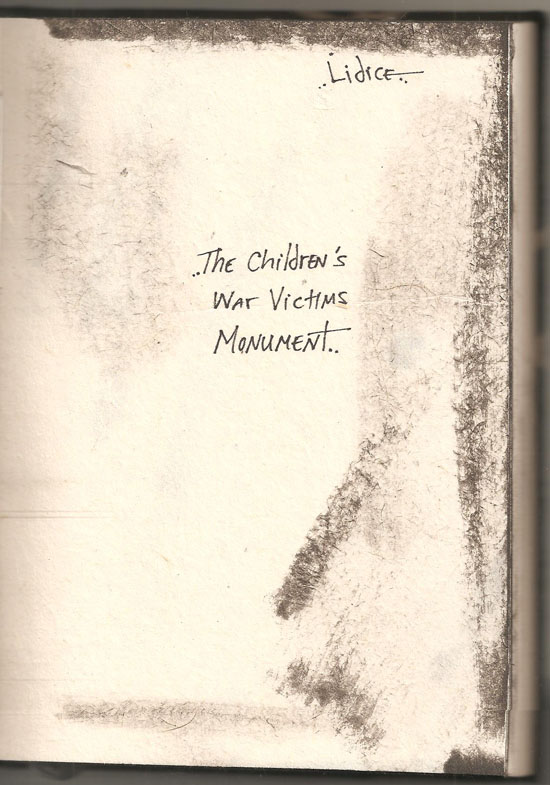
Hypocenter Nagasaki
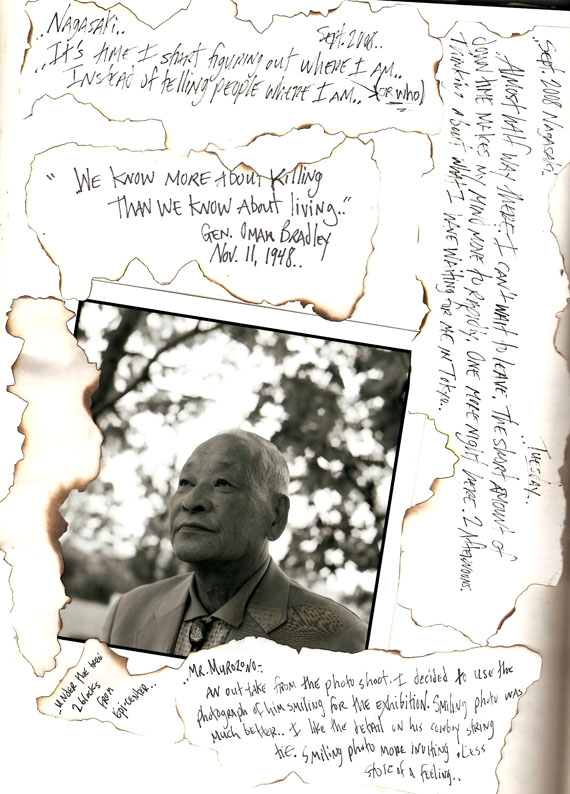
May 31st, 2016..September 2008 Nagasaki..
..It’s time I start to figure out who I am..
Instead of telling people where I am..
“Our World is a world of nuclear giants and ethical infants. We know more about war than we know about peace.”
Gen. Omar Bradley
November 11, 1948
Ursula Elsner
May 23rd, 2016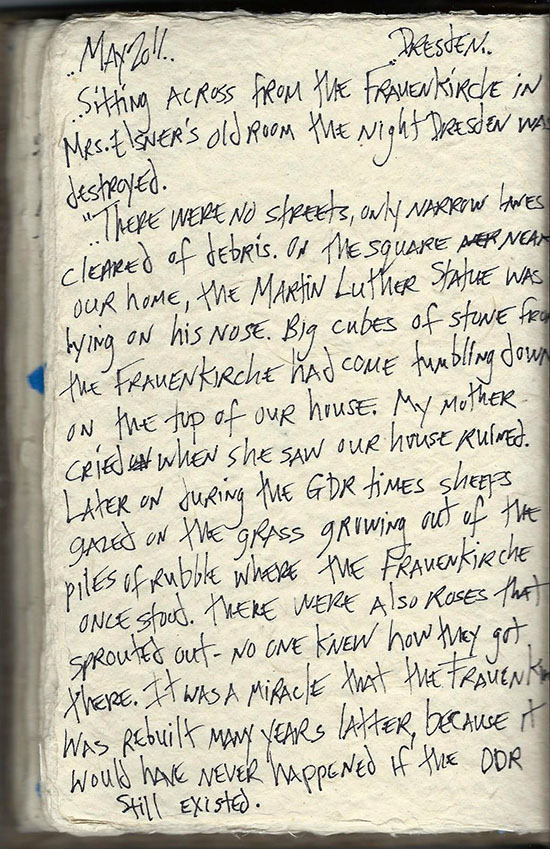
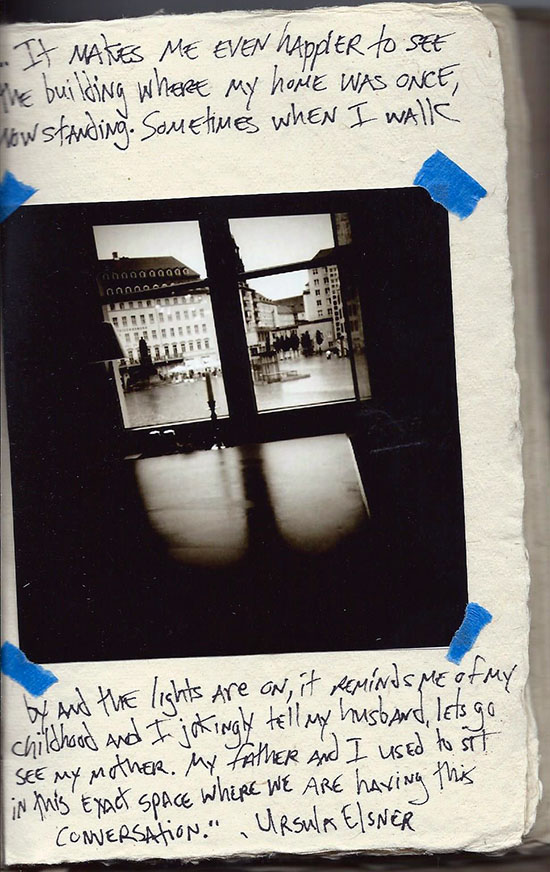
Soviet War Memorial, Treptower Park, Berlin
May 7th, 2016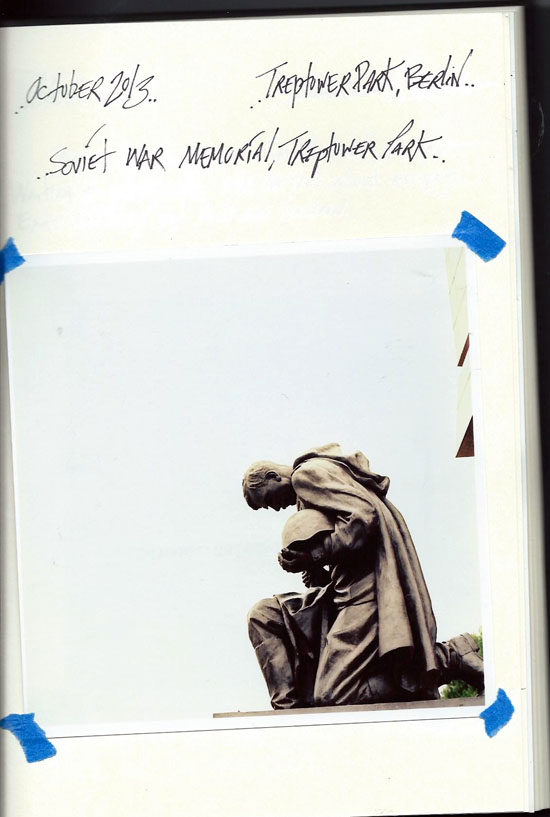
Karel Plecháč
April 28th, 2016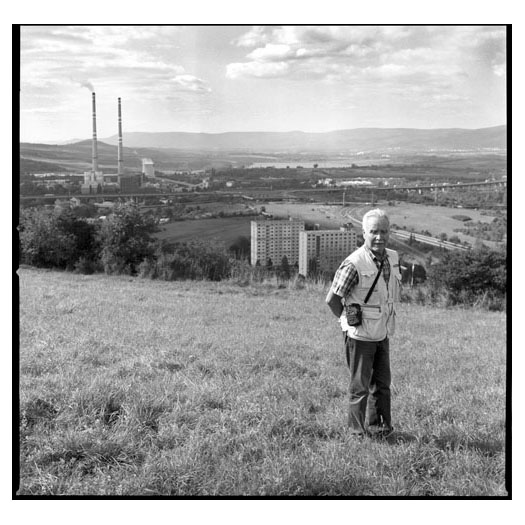
..October 2013.. ..Ústí nad Labem..
“Being 11 years old and experiencing the bombings is different from being 11 years old today. We already knew about war because we spoke about it at school and saw it on news reels at the cinema. The war was present everyday.”
Karel Plecháč was from the typical mixed German and Czech family that inhabited the German Sudetenland. His father was German speaking, mother Czech speaking, paternal grandparents were also from a mixed marriage and his maternal grandparents were Czech.
He was 11 years old when Ústí nad Labem was bombed. He survived the raid on April 17th, 1945 near his home in the city center. When the air raid sirens sounded, he and a friend saw the bombers approaching the city.
They rushed to an air raid shelter and endured 25 minutes of terrifying bombing that felt like an eternity. While in the shelter he only thought about his mother and younger sister who were in another part of the city called Trmice.
“The air warden told us to go the shelter. The bombings lasted for 25 minutes but sitting there felt like an eternity. There were mothers and children crying and shouting. When we exited the shelter the whole city was out of order. The corpses of first victims were lying in the town square.”
“In the iron shop window across the street from my house there was a master work by the owner, an iron canon. I always saw this iron canon throughout my childhood. After the bombing one of the first things I noticed was the building was gone. Somewhere below the debris is the iron canon.”
The house his family lived in was heavily damaged. The windows and walls were broken and most of the floors had collapsed. The house next door suffered a direct hit.
Two days later Allied bombers returned to Ústí nad Labem. When the air raid sirens sounded Karel, his mother and younger sister went up to a hill near an area where he played. From on top of the hill they could see the factories exploding in the city below.
“When the air raid sirens sounded I told my mother let’s go to the hill where we played to have a look at the city. We saw all the factories exploding in the city below. I still have goose bumps looking out today and remembering the bombing. The bombs came in a row. This experience became emotionally imprinted in my mind.”
At the conclusion of the war, the German speaking residents of Usti were deported to Germany. Because his father spoke German, the family was ordered to the train station for deportation. At the train station the maternal grandmother, cried out “My children, my children!” A Czech army officer asked her if the family spoke Czech and it was confirmed that they spoke both Czech and German. The officer signed a permit allowing the family to return to their home. Even though the family was spared deportation, the father served 17 months in a labor camp and was forced to clean up the debris in the city.